
The primary goal of using a rebar bender is to shape steel reinforcement bars into specific angles, such as 90-degree bends, to provide structural integrity to concrete forms. While purchasing a dedicated bending tool is a standard path to achieving these shapes, it is not the only way to produce the required reinforcement. Depending on the volume of steel, the required radius, and your existing equipment, several alternatives can provide the same results without the long-term cost of ownership.
Can I rent a rebar bender instead of buying one?
Renting a rebar bender allows you to access heavy-duty machinery for a specific project duration without the capital expenditure of a permanent purchase. This route works by leasing a machine from a construction equipment yard or a specialized tool rental house, typically on a daily or weekly basis.
Renting is more cost-effective than buying when the project scope is limited to a single build or a specific phase of construction. It beats ownership when the required capacity—such as a 10-ton stationary hydraulic bender—is too large or expensive to justify for a one-time use. This alternative stops making sense when the frequency of bending tasks exceeds the cost of a monthly lease or when the project duration extends into a timeframe where the rental fees surpass the amortized cost of a smaller, owned unit.
Where these choices show up in our reviews
3 reviewed options, $389.99 to $489.98, with the full write-up behind each name.

VEVOR 1.5KW Hydraulic Electric Hand Held Rebar Bender
$455.90 price checked August 2026
Read our full VEVOR Rebar Bender review
If you are working with standard outlets, see the best electric rebar bender for 110v power.

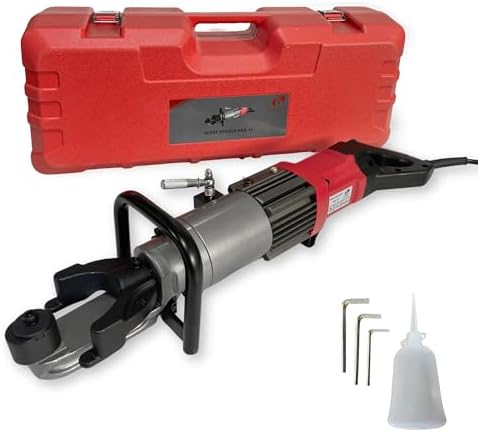
LOTOS HRB-16 Electric Rebar Bender
For mobile projects, explore the best portable electric rebar bender for construction sites.
$489.98 price checked August 2026
What is the cost of hiring a professional for rebar bending?
Hiring a professional for rebar bending involves outsourcing the fabrication of steel reinforcement to a specialized metalwork shop or a concrete reinforcement contractor. These professionals use industrial-grade CNC automated rebar processing lines to produce precise bends at high volumes.
This option costs more per unit than manual bending but eliminates the need for any on-site machinery or specialized labor. It beats buying a tool when you lack the space to store large equipment or the time to perform the labor yourself. This route becomes the better choice when the volume of rebar is so high that a single manual or small hydraulic bender would create a production bottleneck that delays the entire pour.
Can I use a manual rebar bender?
A manual rebar bender relies on physical leverage and human force to deform the steel, often using a long-handled tool or a stationary jig. This method is suitable for small-scale projects where the diameter of the bar is small enough to be manipulated by hand.
Ensure your equipment meets industry requirements by reviewing rebar bender certifications and safety standards.
Manual bending is significantly cheaper than hydraulic alternatives because it requires no power source and has fewer mechanical components to maintain. It beats buying a powered bender for residential repairs, small garden walls, or hobbyist projects where only a few bends are needed. This option stops making sense once the bar diameter reaches a point where the force required exceeds safe human limits or when the required bend radius is so tight that manual manipulation causes material work hardening, making the steel brittle.
Should I buy a used rebar bender?
Buying a used rebar bender involves purchasing a pre-owned unit from an auction house, a liquidator, or a private seller. This route provides a path to high-capacity machinery at a fraction of the original retail price.
Used equipment costs less than new equipment but carries the risk of hidden mechanical wear or hydraulic leaks. It beats buying new when the primary requirement is high-tonnage capacity that would be cost-prohibitive if purchased new. This alternative stops making sense if the unit requires extensive repairs to reach a safe operating state or if the lack of a service history makes the risk of a mid-job failure too high for a critical project.
Comparison of Rebar Bending Alternatives
| Route | Who it suits | Main Advantage | Where it breaks down |
|---|---|---|---|
| Renting | Project-based contractors | Access to heavy-duty capacity | High-frequency recurring needs |
| Outsourcing | Small-scale builders | No equipment or labor required | High-volume, low-margin work |
| Manual Bending | Hobbyists/Small repairs | Minimal upfront cost | Large diameter or high-volume bars |
| Used Equipment | Budget-conscious firms | Lower cost for high capacity | Uncertain mechanical reliability |
When is buying a rebar bender the right choice?
Buying a rebar bender is the correct choice when the frequency of the work justifies the initial capital expenditure. If you are performing regular, recurring fabrication where the cost of repeated rentals or outsourcing exceeds the purchase price of a unit, ownership is the logical path.
Ownership is also the right choice when you require a specific, immediate availability of a tool on-site that cannot be guaranteed by a rental schedule. If your project requires specific custom bends that are better managed with a tool you can adjust and operate at your own pace, owning the equipment provides the necessary control. Finally, if you have the storage space and the technical ability to perform basic maintenance on the machinery, buying provides the highest long-term value for consistent production.
More Rebar Bender explainers and comparisons
- Choosing the Best Rebar Bender and Cutter 2 in 1 Tool
- The Heavy Duty Rebar Benders That Work Best for 25mm Steel
- Which Best Electric Rebar Bender for 110v Power Should I Get?
- Best Rebar Bender for Bending Up to 130 Degrees
- Manual Roller Benders for Steel Plate Compared
- Which Portable Electric Rebar Bender Is Best for Construction Sites?